Tips & Opinions
-
Navigating Dual U.S.-EU Citizenship
Acquiring citizenship in an EU member state offers U.S. citizens the profound advantage of EU Citizenship, granting the right to live, work, and study freely across 27 European nations. This guide is designed to help US citizens navigate the complex decision of establishing dual nationality by detailing the pros and cons of holding two passports, listing the EU countries that allow it, and comparing three primary pathways. This detailed opensource tutorial may be accessed on Treemagic: Navigating Dual U.S.-EU Citizenship
-
AI-Powered Genealogy: Free Tools and Tips for Your Family History Journey
As I prepare for my October 4th, 2025, presentation at the Shepard of the Valley (Minnesota) Genealogy Society, I’m excited to share the conductor-and-braid metaphor—humans and AI working in harmony to uncover your past. With over 50 years in software engineering and 30+ years in genealogy, I’ve crafted a set of free resources to help beginners and experts researchers alike. “Genealogists hit brick walls. Records fade, languages confuse, stories get lost. AI can help—but only if guided well. These free resources are designed to put you in the conductor’s seat as you braid human insight with AI speed.” These handouts, born from my ethics-driven approach, are now available for you to download…
-
The Revolutionary Impact of AI on Genealogy and Historical Research
Introduction By way of full disclosure, I have created this paper using various AI models to provide information, context, and source citations. In a sense, that makes this work self-referential. Clearly, this paper is one which will require re-working as time, events, and progress proceed. The information in this field/realm is not stagnant. In fact, it is quite dynamic. In recent years, the integration of Artificial Intelligence (AI) into the fields of genealogy and historical research has brought about transformative changes. AI-powered tools are enabling researchers to tackle challenges that were previously daunting due to the vastness and complexity of historical records. This paper explores the current applications of AI…
-
Prune & Share Family Tree Branches
Introduction Genealogists and family historians often need to extract specific branches from their Ancestry family tree for research, collaboration, or sharing with relatives. Unfortunately, Ancestry does not provide built-in tools to easily extract partial branches/limbs of their online trees into GEDCOM files. However, by using GRAMPS, a powerful free genealogy software, users can effectively prune family trees and extract specific branches. Additionally, Family Echo provides a simple way to view and share these extracted sections. This approach is simple, cost-free, and helps genealogists manage their data more effectively. The Process Step 1: Export the Full GEDCOM from Ancestry Step 2: Prune and Extract a Branch Using GRAMPS Step 3: Upload…
-
Researching Mennonite Regions of Damals Preußen (former Prussia)
For those who research the Mennonite areas of what was once Westpreußen (West Prussia) and Ostpreußen (East Prussia), you know it can be very frustrating. For numerous years I have performed these searches in what can be best described as: the best way I knew how! Recently due to a client opportunity, I decided to establish a more thorough, exhaustive, and rigorous approach to conducting my Mennonite research. Do not confuse this approach with being easy, simple, or highly automated. It is, rather, much more disciplined and focused. To begin with, I use three major Genealogical Resources for obtaining Mennonite source material(s). I have listed them below in order of…
-
Amazing and unexpected resources
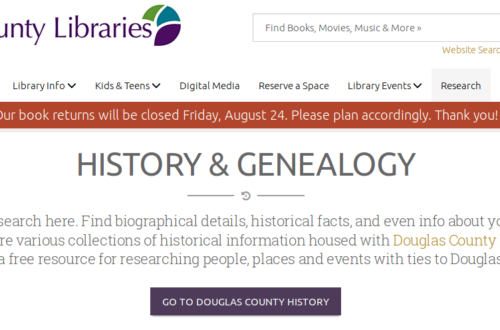
I suppose many of you, like me, live in Communities offering library services. Also probably like me, you have not really thought of your local library when you are stumped for new affordable (meaning Free) Genealogy Research resources. Well this week while helping take care of my grandsons by watching riveting episodes of Disney Kids shows and web surfing, I stumbled upon a previously unvisited Douglas County Library webpage. By that I mean, I never had landed on that page before. You would think that a web link entitled Research might have ‘jumped out at me’ before, but it never did. Or if it did, I don’t remember having seen…
-
Deutsche Verwaltungsgeschichte (German Administrative History) 1871-1990
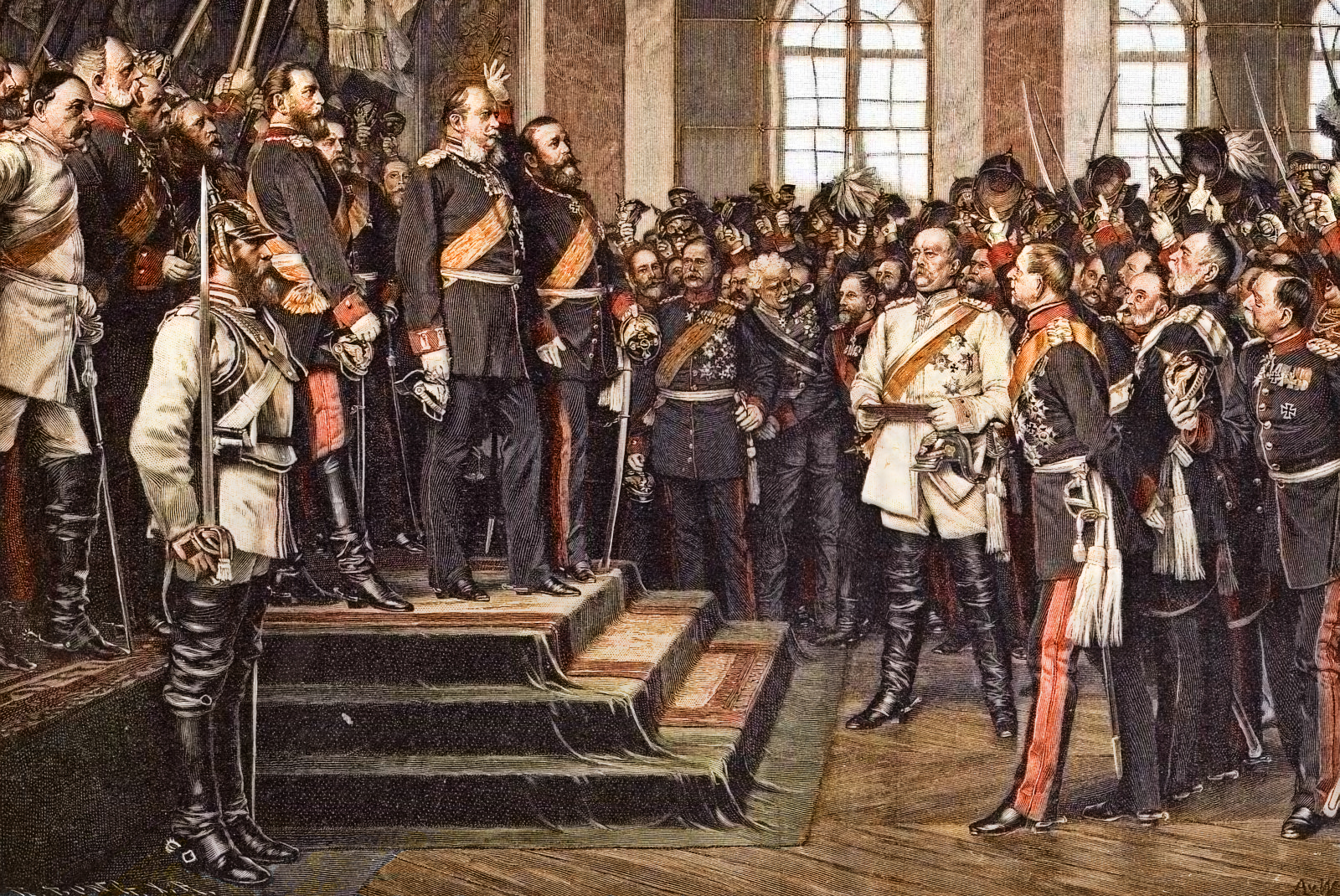
One of the Internet’s most valuable German research websites has been removed from service, Dr. Michael Rademacher’s: Deutsche Verwaltungsgeschichte von der Reichseinigung 1871 bis zur Wiedervereinigung 1990 (German administrative history from the Reich Agreement of 1871 to reunification in 1990). I do not know the reason for the site’s (and its related facebook site’s) removal; but I happen to have a copy of the original site (reconstructed from the Wayback Machine) and present it here in memory of its author: Dr. Michael Rademacher M.A.. I make no claim of ownership, nor do I acknowledge responsibility for the original site’s content. As per the original site: alle Rechte vorbehalten (all rights…
-
DNA & Ethnicity- Who, me?
Like most genealogists (and family historians): I am not a DNA expert, but am curious about my family history, and I want as many clues and facts as I can unearth. All in all, I guess that makes me pretty average. Although, I hesitate to emphasize my being normal. By way of providing some further background and context, I really do know quite a bit about my familys’ histories (awkward grammar alert). But, I continue to want to learn more. Like most of you, when I get stumped chasing previously obvious leads, I look for new information and data threads to pull. DNA clues have always seemed to offer…
-
Are you new to GEDmatch?
If you are like many family genealogists and historians, you are likely involved in analyzing the potential of using DNA for your research. As you may have read, here or elsewhere, my wife and I have both ‘taken’ 23andme and AncestryDNA ‘tests’. We obtained some useful and interesting information; I even solved one small mystery using DNA. But for all that, I’d have to say the whole DNA thing seemed overblown and over valued to me. That is until now. This last week a friend strongly suggested I use GEDmatch. I dutifully downloaded one of my DNA test results (the one from AncestryDNA because it was newest and I only…
-
Finding Online Records in Poland
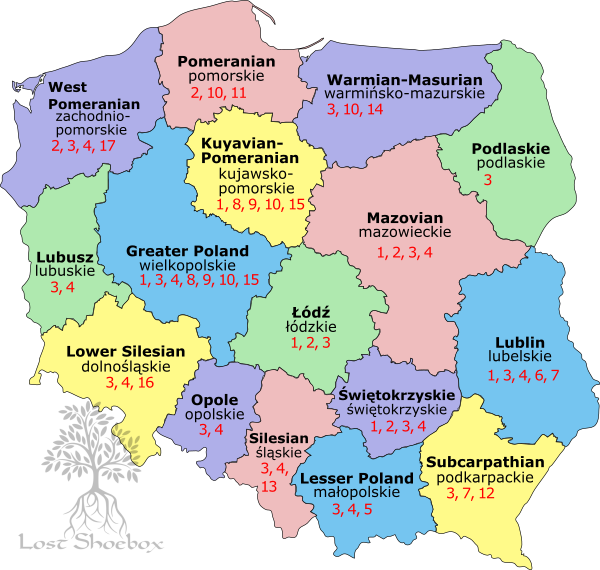
Are you researching the regions which are part of today’s Poland including: the lost Eastern German Provinces of West Prussia (Westpreußen), Pomerania (Pommern), Silesia (Schlesien), Posen and parts of the former province of East Prussia (Ostpreußen) the Kingdom of Prussia (Königreich Preußen) Poland Galicia If you are, you may know that that access to records across this large Central European region can be difficult to find. The following article (Blog posting) provides an excellent road map of where to hunt. The content format and material on the following material in this post is mirrored from a posting on The Lost Shoebox. (I have mirrored the complete original posting so as not…
-
Matricula Online
Just today, I stumbled across an excellent source for Free online “German” Church records. And to think, I thought I knew all the really best locations… The site is called Matricula Online. This site offers church registers (mostly containing birth, marriage and death records) from several “German or former German speaking regions in today’s European countries of Austria (with the most data), Germany, Serbia and Poland (around the former Breslau today Wrocław, Poland). It appears that Matricula has plans to expand, although I am not sure into which regions. To get an idea of their present coverage see the map (on the right) for more details on their current record…
-
Allenstein (Ostpreußen) Records
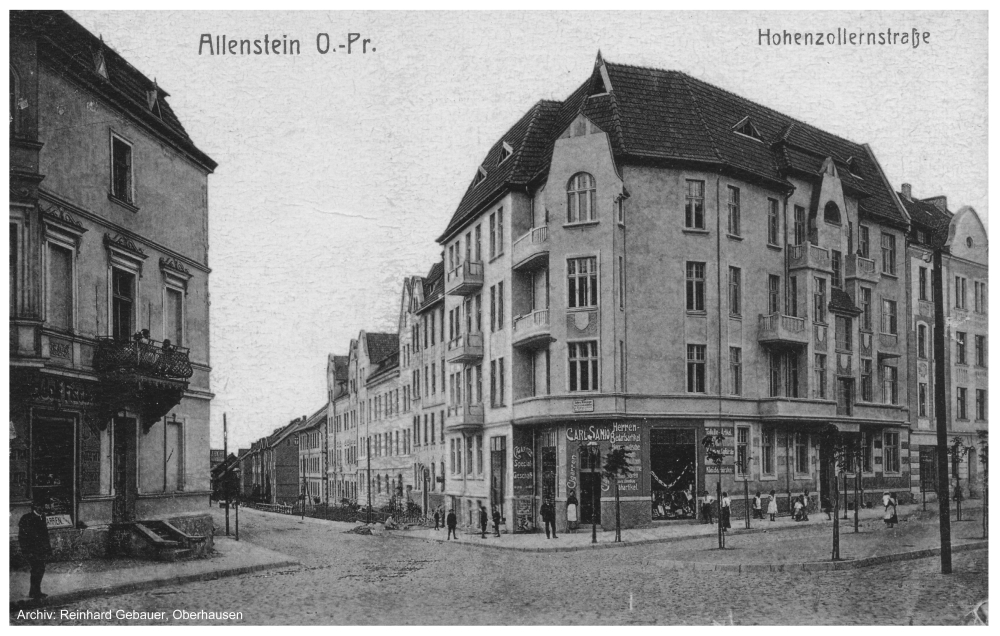
For those interested in, or researching the region(s) near, the former German/ Prussian city of Allenstein Ostpreußen – East Prussia (today the city is known as Olsztyn in Poland) numerous updates have taken place recently with respect to available pre-1945 records. These involve most notably: Churches near the former German city of Allenstein (Ostpreußen) – the Polish city of Olsztyn today. Polish State Archive of Olsztyn ( Archiwum Państwowe w Olsztynie )- the records archive. The man whose leadership is key to bringing these records online is project team leader Bernhard Ostrzinski. Bernhard and his team of dedicated “researchers” publish digital copies of records in the Olsztyn State Archive…
-
Mennonite, Hutterite, Amish Records Coming Online!
If you are interested in Mennonite, Hutterite, Amish research, this announcement is very significant. Archion.de is in the process of providing online access to a significant body of Mennonite, Hutterite and Amish records. The Mennonite Research Center operated by the Mennonite Historical Society (Mennonitscher Geschichtsverein e.V.) offers remembrance and a memory storage of the Mennonites, Hutterites and Amish. It includes a library and an archive and plus an extensive collection of material concerning the history of the Anabaptist movement. It also stores original church books of some German, Ukrainian and Polish Mennonite communities. Note: Mennonite church books are often in poor condition. Because of the records fragility, on site…
-
East Prussia – Ostpreußen
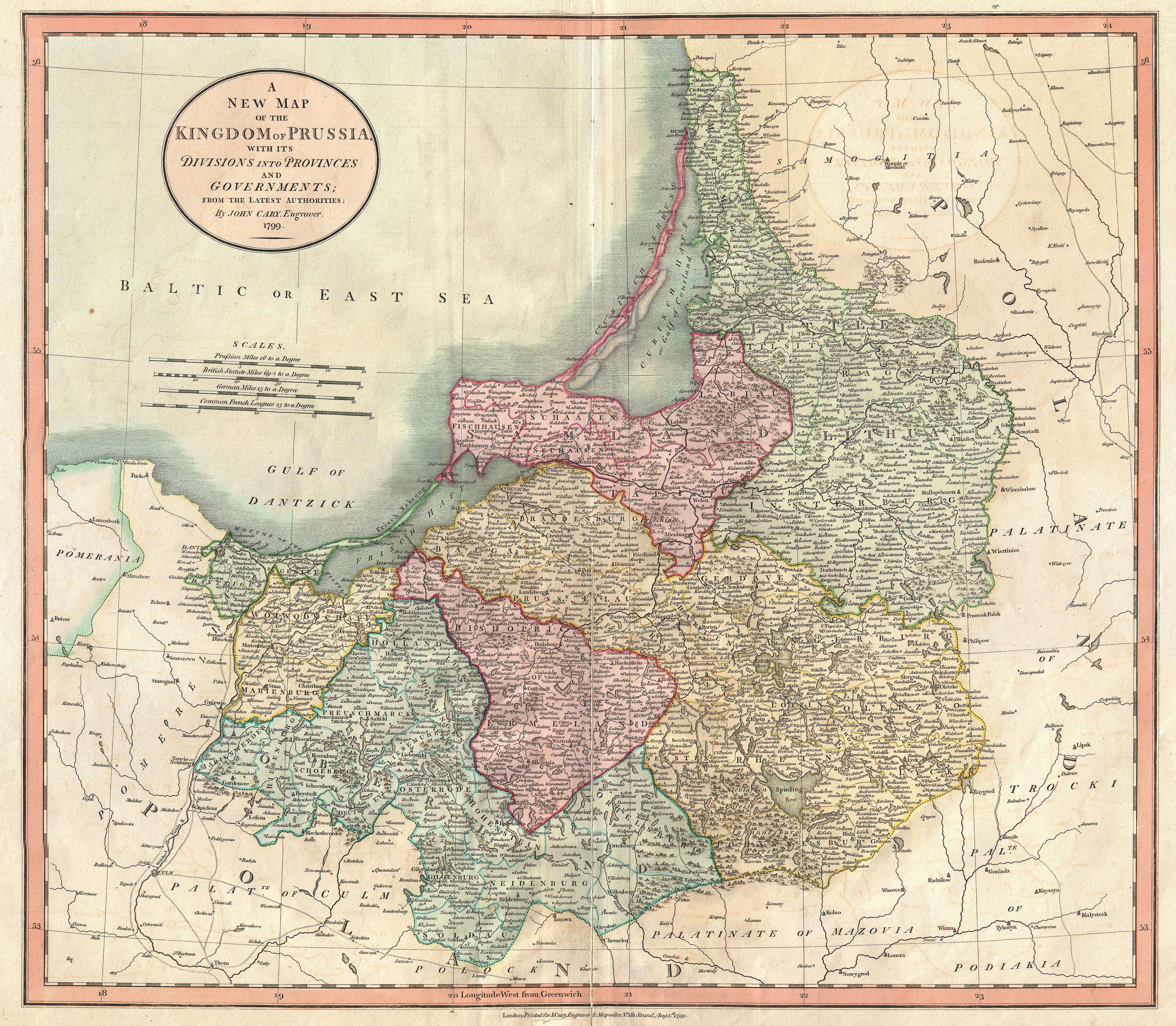
Our Prussian Tutorial Materials have been updated and moved. A Brief History (Background) East Prussia (Ostpreußen), a former province of Prussia and the 2. und 3. Deutsches Reichs (2nd & 3rd German Empires), was located in extreme Northeast Germany (existed prior to 1945; it was dissolved in 1945). The region of East Prussia has low rolling hills that are heavily wooded, and it is dotted by many lakes (especially in Ermland, Polish: Masuria) and drained by several rivers including the Nemen (Nieman). Its Baltic coast is deeply indented by the Vistula Lagoon (Frisches Haff) and by the Gulf of Kursh (Kurisches Haff). Historically, East Prussia was at the center of…
-
Finding Genealogy Data in Central & Eastern Europe
Lately, I have received a significant number of inquiries regarding how to ‘best’ approach the conduct of German- Prussian- Polish- Shoah research. The questions I have received point to a number of common questions, without specifically re-stating the questions, I will detail their responses here: I understand that English-speakers want European Records written and searchable in English. However… I am obligated to point out that our European ancestors may have spoken and written in languages other than English; and so… their records will ‘most likely’ be in their native languages (or perhaps Latin, Hebrew). As for genealogy and/or data search functions, I personally do not totally trust or rely on…
-
Shoah Research (Holocaust) Resources
For those conducting Shoah (Holocaust) research, you know how difficult good resources and information are to find. Recently I came across a number of ‘less well-known’ (to me) web sites that offer a wealth of source and context information. Hopefully, these links will be of some use in your research efforts. Nazi holocaust documents found: 6,300 files discovered behind wall of Budapest apartment Many educators appreciate the value of using primary source materials in the classroom. The documents selected for this section provide many possibilities for classroom discussion or student activities. The Virginia Holocaust Museum BYU Harold B. Lee Library Shoah (Holocaust) Selected Digitized Documents Related to the Holocaust and…
-
NEHGS Searchable German Duplicate Records
Today, I received an email from one of our readers (Beth Golden). Beth’s note provided the following information: German Church Book Duplicates (Online at American Ancestors- New England Historic Genealogical Society) Germany, Baden, Church Book Duplicates, 1810-1869 Germany, Prussia, Brandenburg and Posen, Church Book Duplicates, 1794-1874 These collections of church records for the territories of Baden, Brandenburg and Posen, Germany, were obtained from church book duplicates that were annually provided to the German state for use by civil authorities. If a particular region had only one religious institution, the clergy often recorded the births, marriages, and deaths of all local individuals regardless of religious affiliation. Microfilm numbers noted in the…
-
Shoah Research- Getting Started
This material has been significantly update and moved to our new tutorials. Are you embarking on Shoah (Holocaust) research? Would you like a little coaching in this area of research? Although I can hardly claim to be a Shoah research expert, I am more than willing to share what I have learned. By way of providing some background, for the past nine months, or so, I have been helping folks attempt to unearth the stories behind their Jewish roots in Poland and Germany, trying to discover ‘lost’ family records, and more. It has been quite the adventure. Needless to say, the Shoah is an area of emotion, sadness, mystery, frustration,…
-
Special characters
Do you struggle with your US keyboard in a vain attempt to type something in those “exotic tongues” such as: German French Norwegian Swedish Polish Do you find your ability to enter ß, ö, ä, ü, ø, etc. hampered? Well, I have stumbled on a few options that might help you out. Granted these work better with *nix based operating systems (Linux, Unix, Mac OS) than Windows but within these options you should be able to find, at least, one helpful approach/ tool. If you are seeking a “Desktop-wide’ solution, you can easily map a “compose” key to accomplish this function across your laptop/desktop (not all keyboards actually have one). …
You May Also Like
Navigating Dual U.S.-EU Citizenship
A Great Find!
Amazing and unexpected resources
-
Why are so many records missing?
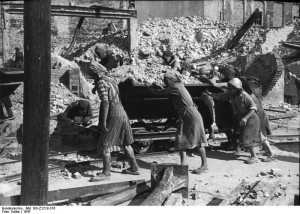
Why is it so hard to find genealogy information in the areas of Prussia, Poland, and Germany? Where did all the information go? Was the information moved to some safe place? I hear this type of question and discussion often. The answers to those questions are actually quite simple and brief; although achieving an appreciation and understanding of their response is often somewhat more elusive. Question: Where did all the information go? Answer: Much was destroyed or lost, never to be recovered. Question: Was the information moved to some safe place? Answer: The truth is there were few, if any safe places. Early ‘on the eve of destruction‘, many ‘crucial’ records/documents…
-
Olsztyn/ Allenstein State Archives
The Archiwum Państwowe w Olsztynie (State Archive in Olsztyn) are providing free access to genealogical records from many of the towns and villages of that area (formerly East Prussia). These records are largely in German (as well as Polish) and are freely available as scanned images on the archive’s website. If your Polish is a little shaky, you may wish to access this page using Chrome (using Google Translate) or similar. The following link will take you to the archives: Archiwum Państwowe w Olsztynie Additionally, many of these same records (approximately 362,650) are available in a digitally searchable format courtesy of Bernhard Ostrzinski. You may access his excellent work on the…
-
Genealogy: serendipity and good fortune
Did you ever wonder where all those interesting family stories and anecdotes came from? Were you just a little bit curious about how some lucky folks have such interesting stories to tell about their ancestors? I believe that serendipity certainly plays a part in the evolution of the stories… but so does good fortune and perseverance. Today, one of my RSS Feeds unearthed an article that provides a great example of why we should never throw our old stuff out… well maybe that is not quite right lesson. But we all know that really interesting things can be uncovered in odd, hidden places. As the late Paul Harvey would have said, here’s…
-
70 years on…
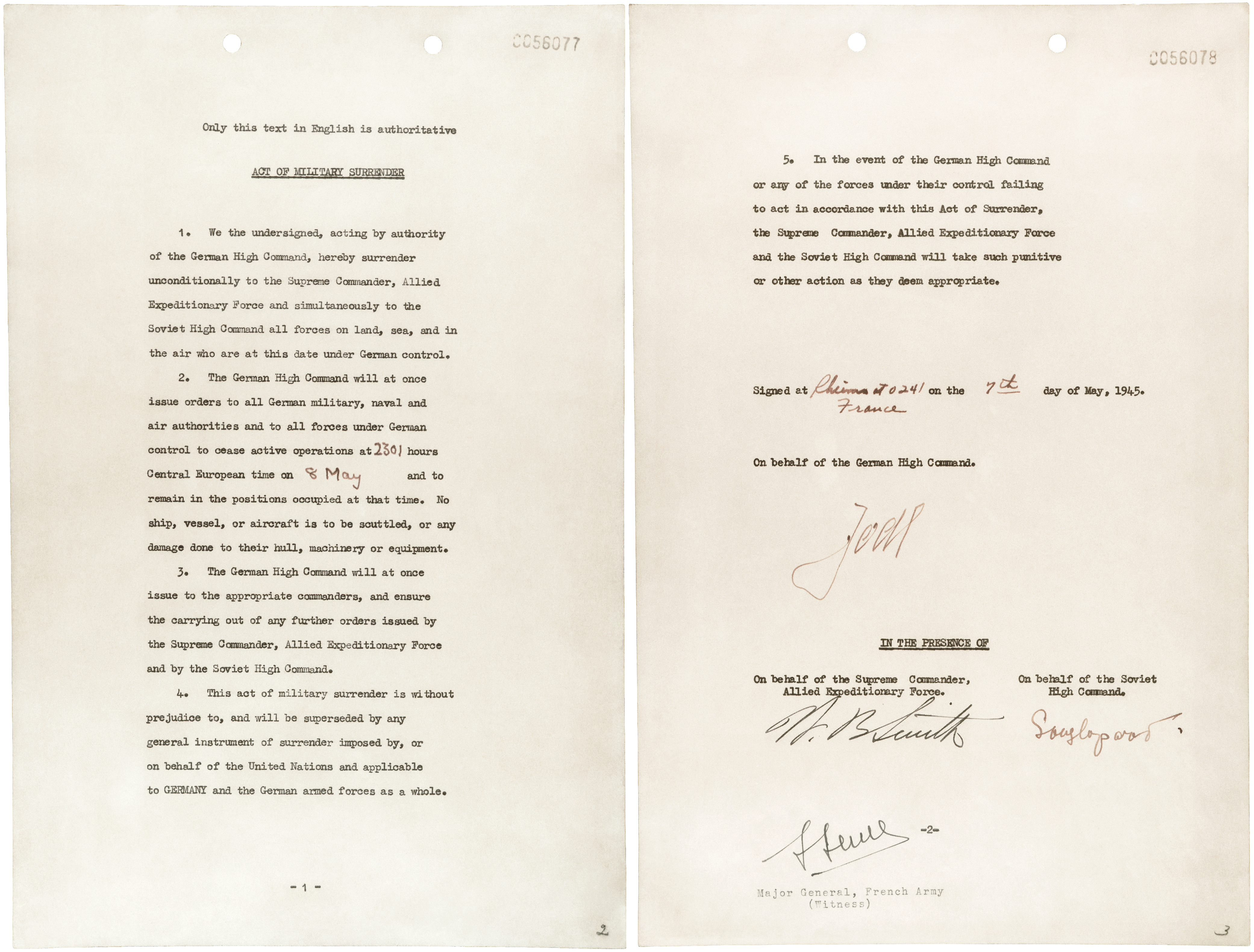
As everyone most certainly knows, this year is 2015. 7 May 2015 marks the official surrender date of German forces, some 70 years ago.For those who focus on 1945 as the end of WW2 in Europe, it was. Sadly, 1945 was not just an ending; it was also the beginning of the total destruction and removal of a ~600 year old way of life, a culture, and the homeland for millions of Eastern Germans. In the years following 1945, some 12 to 14 million people were forcibly removed from their homes and expelled from the recently surrendered German Eastern provinces. To place these events into a reasonably balanced historical context,…
-
Understanding and perspective
Obtaining good genealogical insight requires an open mind. As in the old saying: “Minds are like parachutes – they only function when open.” Thomas Dewar Getting good genealogical data and information requires a lot of work. But perhaps the most challenging work involves developing a relevant, contextually accurate, frame of reference to help find and interpret any data you might find. Based on what I see floating around the Internet, I worry that too many people ‘out there’ are attempting to gather data/ information about their family past without developing an adequate understanding of time, place, or circumstance. The questions/comments, I see, seem to indicate a preference to having…
-
Researching “Lost” Eastern German Provinces
Many people get confused when conducting searches for their Eastern German forebears; this is especially true if those forebears purport to have been from Prussia (Preussen), Pomerania (Pommern), Silesia (Schlesien). Note: I have written a detailed article on helping you determine whether or not your family was Prussian and if so, what type. It might not surprise you that I encounter a lot of people having trouble doing, or trying to do, ‘their’ Prussian research. Given I have fairly extensive research experience in those regions of Europe, I thought I’d put together a quick tutorial, or key, for identifying and finding clues to those Eastern German ancestors ‘of ours’ who…
-
Old German Terms, Occupations, etc.
Terms, occupations, and more change over time. If you are in the business of tracking down your German (Germanic) ancestors the following links may be of help to you. These links include old terms for professions, diseases, occupations, and more. Many of these terms and abbreviations are not in common use today… so hopefully these lists will help ‘clear’ some confusion. A note of caution, many (most) of these linked pages are in German; put on your German language ‘hat’ or use Google Translate! If you have any links you would like added, please use our contact page to let me know. These links also appear on our links page…
-
What is an Ethnic Group?
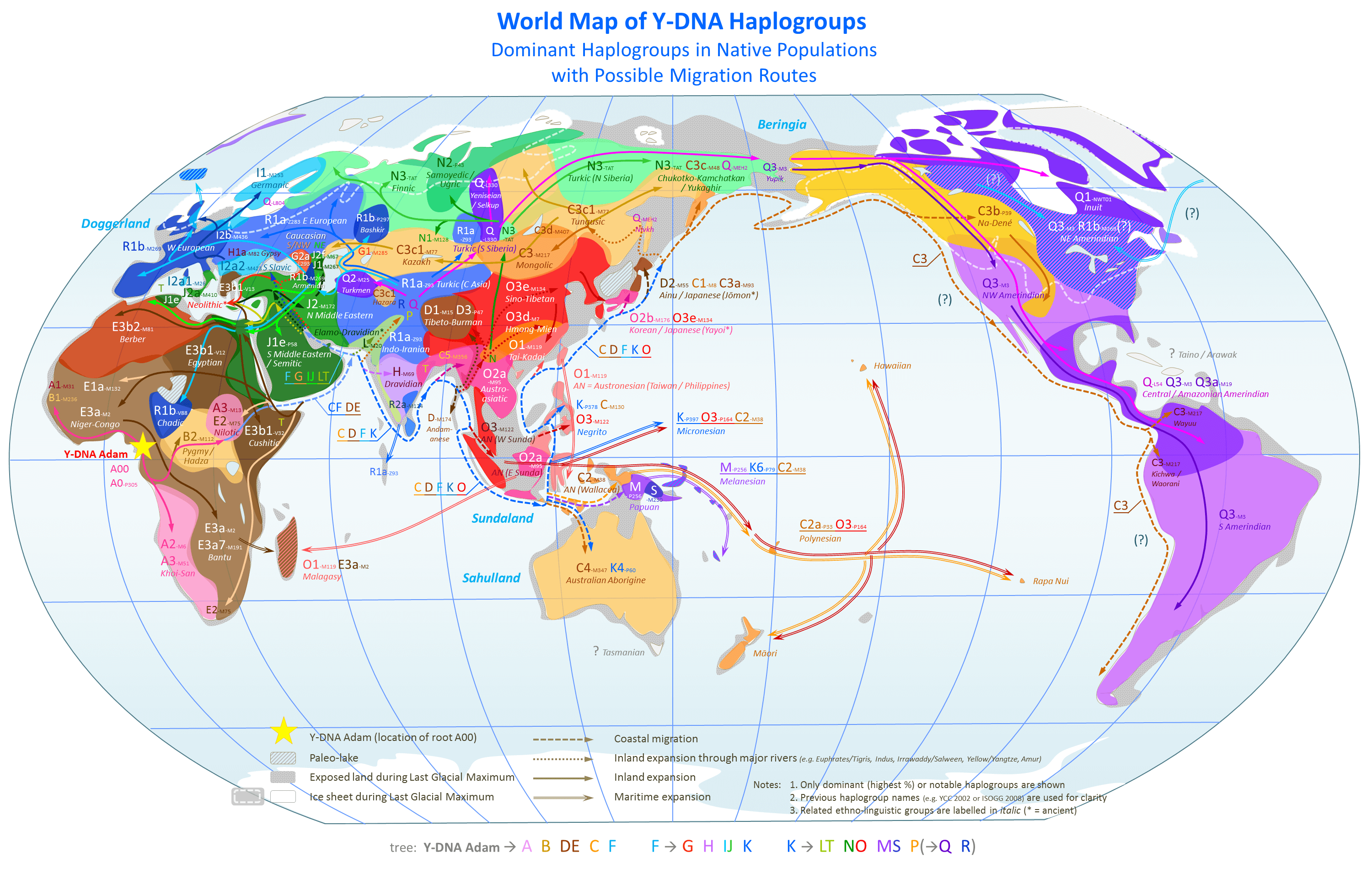
Lately, I have encountered a number of interesting discussions and comments regarding ethnicity. People want to approach it from the aspect of Y-DNA testing; term meaning & definition; and more. I thought that perhaps a brief discussion/ analysis of the subject might be helpful- for me if for no one else. Note: Actually this document is largely extracted and built from many other sources (because I am no authority on this topic). Hopefully my analysis and discussion will provide some useful food for thought and give some comfort in the imprecision associated with the use and application of Ethnicity as a concept, genealogically speaking. First let’s review a typical dictionary…
-
ICRC World War 1 Prisoner of War Database
The International Committee of the Red Cross recently published a Free, online database of WW1 prisoners of war. The ICRC WW1 PoW Database contains some 5 million records and offers exceptional insights into the conditions and circumstances of the time, period and situation. Based on my testing of the ‘tool’, I think a few words of caution are in order: Be certain to read the instructions on How-to use the tool. (It might work in ‘unexpected’ ways; it did for me.) There is a nice tutorial (and it is easy to use). Often the print is faint; look closely at the records. Much of the text is in script; as…
-
German Genealogical Societies
The following post provides a reasonably complete listing of German (meaning in Germany) Genealogical Societies and Groups. As I get and add new sites, this list will be ‘automagically’ updated. Note: Given the post- WW2 forcible expulsion of millions of Eastern Germans from former Eastern German lands and provinces, you may wish to examine Polish Genealogical Groups & Websites for pre- 1947 German forebears (N.B.: ManyRoads does not offer information on other Eastern Slavic or Baltic Societies) Familienkunde- Family Research (Links) Should you know of additional organizations we ought to included in our compendium, please contact me with the particulars and I will add them.
-
Polish Genealogical Societies
The following post provides a reasonably completelisting of Polish (meaning in Poland) Genealogical Societies and Groups. As I get and add new sites, this list will be ‘automagically’ updated. Note: Due to the forcible expulisons of Poles in both 1939 and post-1945, you may wish to examine areas in today’s Belarus & Ukraine for information. Unfortunately, ManyRoads does not have much information on those regions. Should you know of additional organizations we ought to included in our compendium, please contact me with the particulars and I will add them.
-
Surname (Family Name) Discovery and Mapping
revised & updated: 4 Dec. 2014 Are you hoping to identify and/ or discover where a family name or surname of yours may have originated? In the various facebook groups where I participate, I have recently noticed a “tsunami” of inquiries regarding this particular genealogical dilemma/ problem. In order to provide a bit more robust guidance than that supported via a facebook discussion thread, I thought a blog post on ManyRoads might be helpful. Here are “summaries’ of the types of questions I have most recently noticed: Is [fill-in a name] spelled this way? What are variations for [fill-in a name]? Is [fill-in a name] a [fill-in the country group] name? I believe [fill-in a…
-
Might your family be descended from Prussian Mennonites?
Do you believe you might be descended of “Prussian” Mennonites? Are you unsure? Is it worth a look? To get a good idea of who the Low German Mennonites were (and whether you might be descended of this group) please review the Family/ Surname list provided on MennoniteDNA. If you find one of your family names on that list then please “read on.” For those who research family in West & East Prussia (today the area is in Northeastern Poland) an important, but ‘not very well known’, set of genealogical source documents should be included in your search – West & East Prussian Mennonite church record books . I…
-
Using HADIS to search in Hesse
If you are looking for family/ ancestors who may have lived in Hesse, HADIS (Hessisches Archiv-Dokumentations- und Informations-System) offers an outstanding and useful toolset. Since most people I come into contact with are looking for genealogy related information and emigration, I will provide a brief explanation on conducting an emigration search. First, goto: HADIS. Next, enter [Your Desired FamilyName] into the “Schnellsuche” box (menu bar on the left, near the bottom of the page). Try the family name of Henss as an example. Wait for the search to return. When you see your search results, select the “Auswanderer-Nachweise” listed in the middle of the page to view Emigrants’ information. …
-
German Illness/ Death Terms and Translations
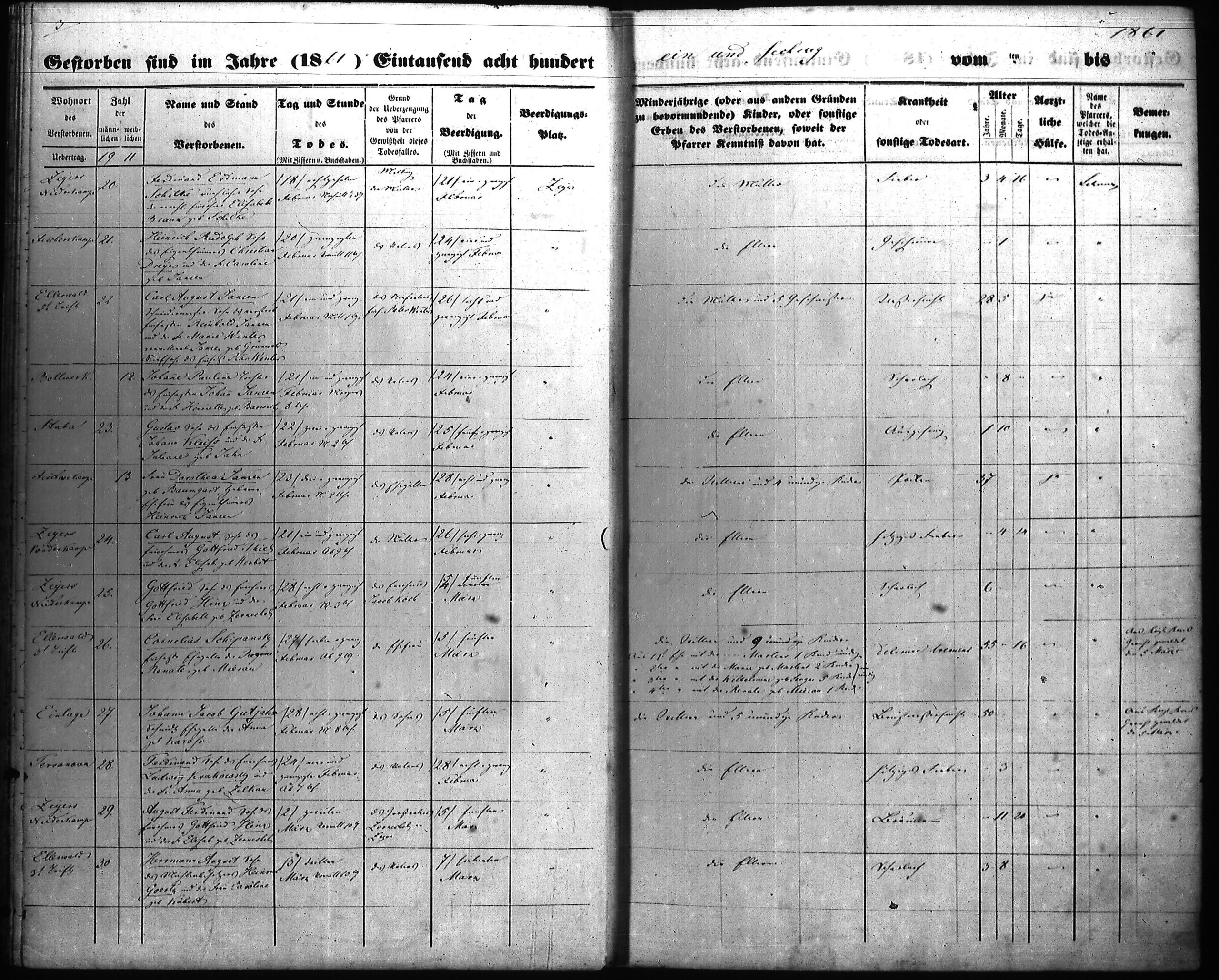
Our German-Prussian Tutorials have moved! Revised:08 June 202424 Mar 2025 I have enhanced this document to enable folks to better recognize these terms “in the wild”. In other words, I provide a simulated set of handwritten Sütterlin and Kurrent script for each term. I have also expanded the list of available terms. The new material appears at the top of the page in a pdf file formatted document. The original material appears as it always has on this page. You may download the pdf here. The following is a compiled listing of illnesses and causes of death gleaned from three primary sources (listed below). This listing has been online for…
-
Finding Wilhelm Henss
To say that finding Wilhelm Henss (William Henss) was difficult is an understatement. It seems like his German home and family had been lost to the US Henss family from the very beginning. The why behind that fact remains a mystery. We will probably never know if William choose to keep his origins “quiet” or if at all happened just as a “matter of course”. To read the history of William and Katharine Henss as we have it documented, please read William & Katharine (Kämmer or Kemmer) Henss- a brief history. (Please be aware their “story” is being revised regularly now, as new data is evaluated and digested.) But as…
-
Polish Genealogy Sources
Recently, I decided it was time to begin researching my Aunt Annette’s family. For the record, my Aunt Annette was my grandfather’s second wife. Although she is of no genetic relationship to me, 30 years after her death I remain emotionally linked to her. Anyway, her family line was from Poland. She married my grandfather in the 1940s and I met her first in the early 1960s. So although I knew she was a nice woman who could hardly cook, none of that went very far in aiding my genealogy efforts on her behalf(which continue today). To begin my research, I had an awareness that her family was from Poland;…
-
Pommern Genealogy Research of Egon Giese
A few weeks ago, Egon Giese contacted me to ask if I was willing to post his largely Pomeranian genealogy research (Pommern Ahnenforschung) on ManyRoads. Naturally I could not refuse his exceedingly generous offer. This posting is the official announcement of his research materials availability on ManyRoads. For those who would like access to Egon’s original emails and data submissions, you will find them in the ‘bottom’ section of this posting. Kreis Schlochau 1 Kreis Schlochau 2 Kreis Schlochau und Umgebung Kreis Neustettin Hinter Pommern Geburten und Taufen Wurchow Gross und Klein Kuedde, Kreis Neustettin Kreisen Bublitz, Neustettin, Rummelsburg Schlochau und Schlesien Westpreußen In the event that you are not…
-
German Genealogy Groups – Deutsche Genealogische Vereine
What follows is a fairly exhaustive (okay, maybe just long…) listing of German Genealogy Associations & Groups. I have the organizations listed in alphabetical sequence (When possible their German names are used because they are, oddly enough, most are German.). To query for groups by area name (or other key word) use control-f (your browser’s find function) to find those groups/ associations containing the place name (or other key word) you are searching for. Additional German Genealogy and History links may be found on our main Links page. Should you have additional German Genealogy Group links you would like to see here, please send them to me via our contact…
-
Hesse (Prussia) Genealogy Research
As many of you may already know, the region of the world sometimes referred to as Prussia was both large and diverse, incorporating lands far beyond East & West Prussia. My wife’s family comes from one such area, the lands between Kassel and Darmstadt in what is today: Hessen, Germany. If you, like me, are looking for genealogical search aids and portals for the region of today’s German Province (State) of Hesse, here are numerous. But be aware, you will need to use your German skills to make the sites I have provided work optimally for you. If you do not read or speak German, you may wish to download…
-
Surname Searches
Hunting for places where surnames are prevalent can provide and set of useful start locations from which to start a genealogical search. But before you start here are a couple of points worth considering… Remember most, if not all, surname search tools use current data. So you need to know whether a location has been through major population shifts since your family was ‘there’ (where ever that might be)? If like me, your family came from an area that was ethnically cleansed, a surname search may not be very useful. Consider whether your family surname may be mis-spelled using local standards versus original location standards. Does the name end in…
-
Ethnic German Genealogy
If you are interested in getting and sharing information, tips & pointers regarding the search for German Ancestors, Ethnic German Research may be the “perfect” LinkedIn Group for you. As many of you already know, I have a “small” but “abiding” interest in conducting German Research. My primary areas of interest include (but are not limited to) West Prussia (today part of Poland), Prussian and Swiss/Alsatian Mennonites (Amish), and the Ostgebiete des Deutschen Reiches oder auch ehemalige deutsche Ostgebiete (former Eastern German Regions). I, also, have been and remain highly interested in researching the area(s) formerly known as Darmstadt-Hesse (in today’s Western Germany). If like me, you have discovered these regions…
-
Examining Photos for Clues
For a long time, I have been looking for a specific set of genealogy clues. (If you read this site, you might even be able to guess where this particular search belongs.) It is ‘safe’ to say that these images could be central to solving some of my mysteries. Because of this mystery and search, I thought I’d ask a knowledgeable population, what they saw in these images. Would others see things that I’d missed. The answer is, Yes, they did see many things I did not. What follows is a summary of what I learned from my discussions with several dozen genealogists. Enjoy! Here’s what I gathered from the…
-
Anabaptist-Mennonite DNA project participation
As many of you may have already guessed, our families and ancestries are crowded with Mennonite and Amish peoples- Anabaptists. For years, we knew of the Rich (Henss Family Branch) connections to the Swiss- Elsass/Alsace, Montbeliard/ Bern communities. More recently, we have come to understand quite a bit of the Senger (Rabideau Family Branch) connections to the West Prussian / East Prussian Mennonite communities. Because of the smallish nature of these original communities, we (Becky, my wife, and I) have elected to purchase DNA tests from 23andMe and submit our DNA test results for inclusion in the Mennonite DNA Project. This past weekend our 23andme DNA test kits arrived! Now…
-
“Our” Mennonite Churches in Europe
As you may have noticed, a “goodly portion” (to quote my father-in-law) portion of both sides of the Henss & Rabideau families have roots in Amish/ Mennonite/ Anabaptist traditions. Out of curiosity, actually out of a desire to find church building photos, I did a little web research on our families’ past church homes. As you might have guessed, nothing identifiable remains of our Prussian/ Poland Mennonite congregations, the Second World War took care of that. However, I have stumbled across a number of our families’ Alsatian congregations on the Internet. It is wonderful to see that many of our predecessors’ beliefs and traditions live on and that our family’s…
-
Finding Former Eastern German Place Names
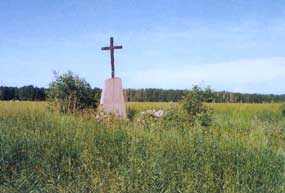
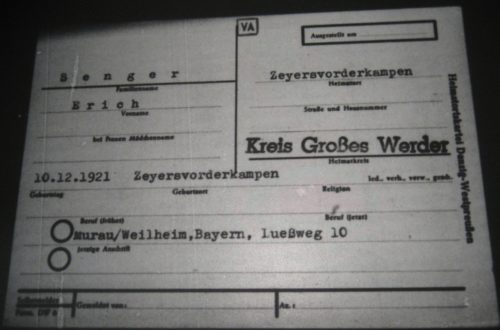
One of the great challenges in researching areas like the former German Eastern Provinces is that they are all gone- governments, people, Churches, libraries, Universities, and yes, in many cases, houses and villages as well. In an effort to help me, and perhaps others, identify place names, I am creating this document with its eclectic cross reference materials. Hopefully these documents, websites, etc. will prove useful to those of us who have difficulty in finding ‘our family’s’ former German places and locations. Former Prussian Places & Locations (Westpreußen u. mehr/ West Prussia & more) Documents Ravenstein’s Atlas des Deutschen Reichs 9000-Village-Names-in-Prussia 1.5 MB Errata for document: Zeyersvorderkampen = Kępiny Małe…
-
Using Cyprien Tanguay’s texts…
Over the past few weeks, I have received numerous requests for guidance on how to use Tanguay’s texts for genealogy research (and where to get them). I have to admit that it does seem a bit odd to me that these genealogy texts are not well understood. But after having received the requests, I did some searching on the web only to note that there are no real guides readily available for novices, so here’s my feeble attempt at creating one. By way of a bit of background, the texts discussed here are called: Dictionnaire généalogique des Familles Canadiennes depuis la fondation de la colonie jusqu’à nos jours (Genealogical Dictionary…
You May Also Like

“Dit” Names
-
Prussian Mennonite Research Materials
As many of you may know, my Recht family line (Hermann Recht’s family) has strong roots within what was once the Mennonite Community resident near the former Elbing and Marienburg, Westpreussen. As I conduct my Prussian Mennonite family genealogical research, this page will evolve and develop into something a bit more robust. I am using Mendeley to gather and manage my research findings and source materials (I am also using the tool in an effort to evaluate its effectiveness for genealogy work.) If I end up writing something profound, perhaps Mendeley will also manage my writings. In any event for those interested in viewing and accessing most of my source…
-
Copyright, copyleft, protect your stuff…
Assuming you write materials and you’d like to get protection and/or keep some credit for your work, here are a few thoughts. (Note: do not confuse this Blog posting with any manner of legal advice.) Firstly, you ought to decide if you really want your materials to be shared and/or protected. No matter what you do, remember that anything placed on the web is subject to being copied and reused. Having said that, protection and ‘legal’ sharing of your materials really need not be an all or nothing proposition. You can, if you are so inclined, offer your writings or other creative content to the world with varying degrees of…
-
Pre-WW2 Maps of Poland & the former German East
In keeping with my map theme, I have provided links and pointers to what I consider 4 of the Internet’s best sites for genealogically useful maps covering the regions of pre-WW2 Poland (Polska) and the former German Eastern Provinces (mainly, Ost und West Preussen, Silesian, Pommern). When used in combination with current map tools such as Google Maps, you should meet with fairly high success in finding old place locations, names, etc. At least, I have had that good fortune. Kartenmeister The most comprehensive database of its kind in the world. It contains 90820 locations with over 38.691 name changes once, and 5,500 twice and more. All locations are EAST…
-
Eastern Germans, a cold case?
Searching for missing or lost family members from the former German Eastern Provinces can be quite a challenge. As you may already know, following the WW2 defeat of Germany by the allies, almost all ethnic Germans were ‘cleansed’ from their former homes in East/ West Prussia, Pomerania, Silesia, etc. (as well as much of Eastern Europe). In both the Expulsion process and the bombardments that preceded the Expulsions much was destroyed. Churches, City and Governmental records, family bibles, photographs, keepsakes, books, notes, were almost all gone. In the case of my opa (grandfather), he was able to salvage the bottom half of a coffee can worth of keepsakes and treasures.…